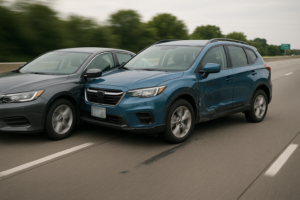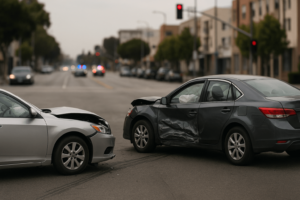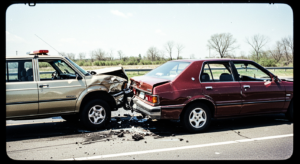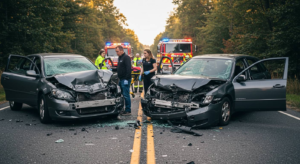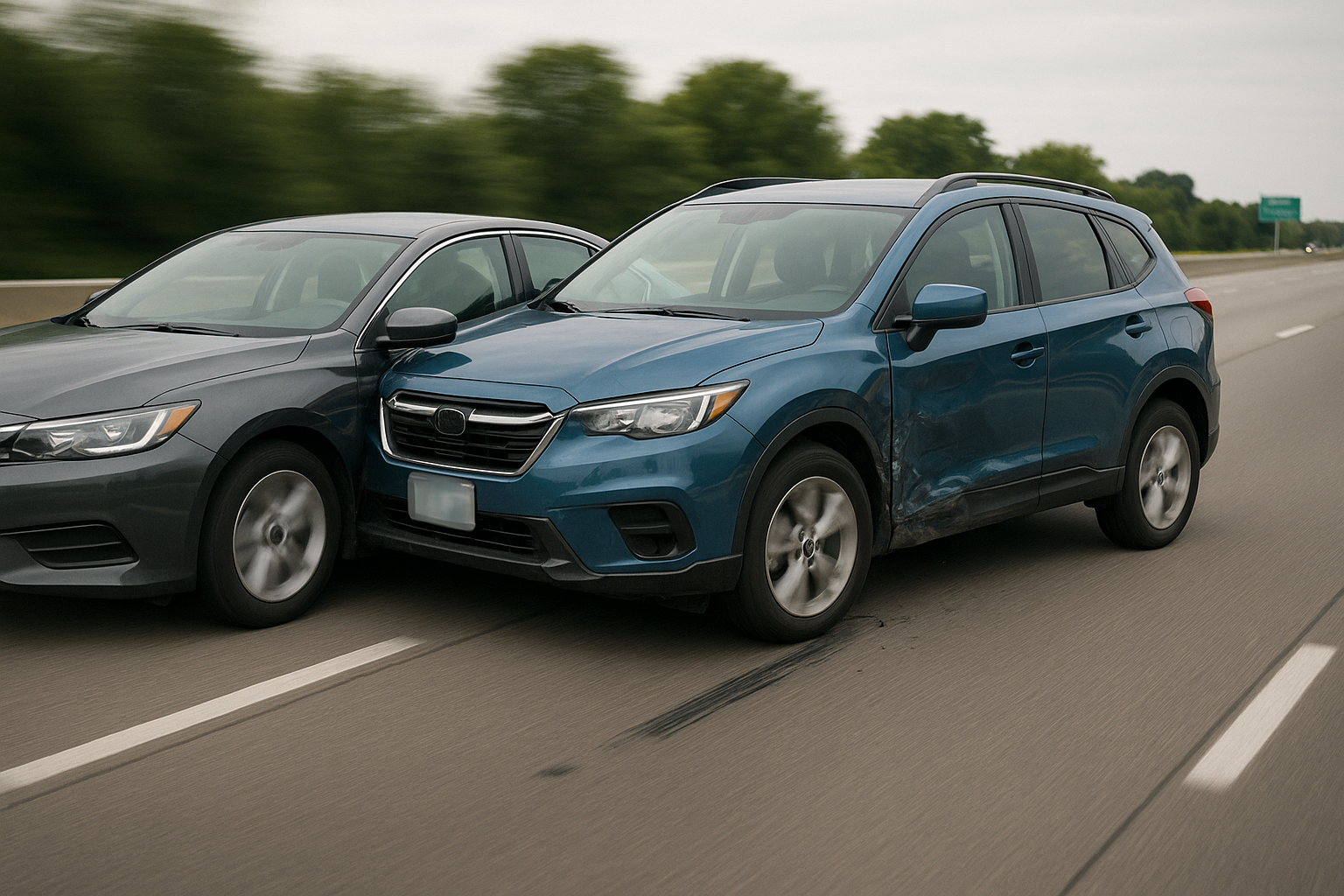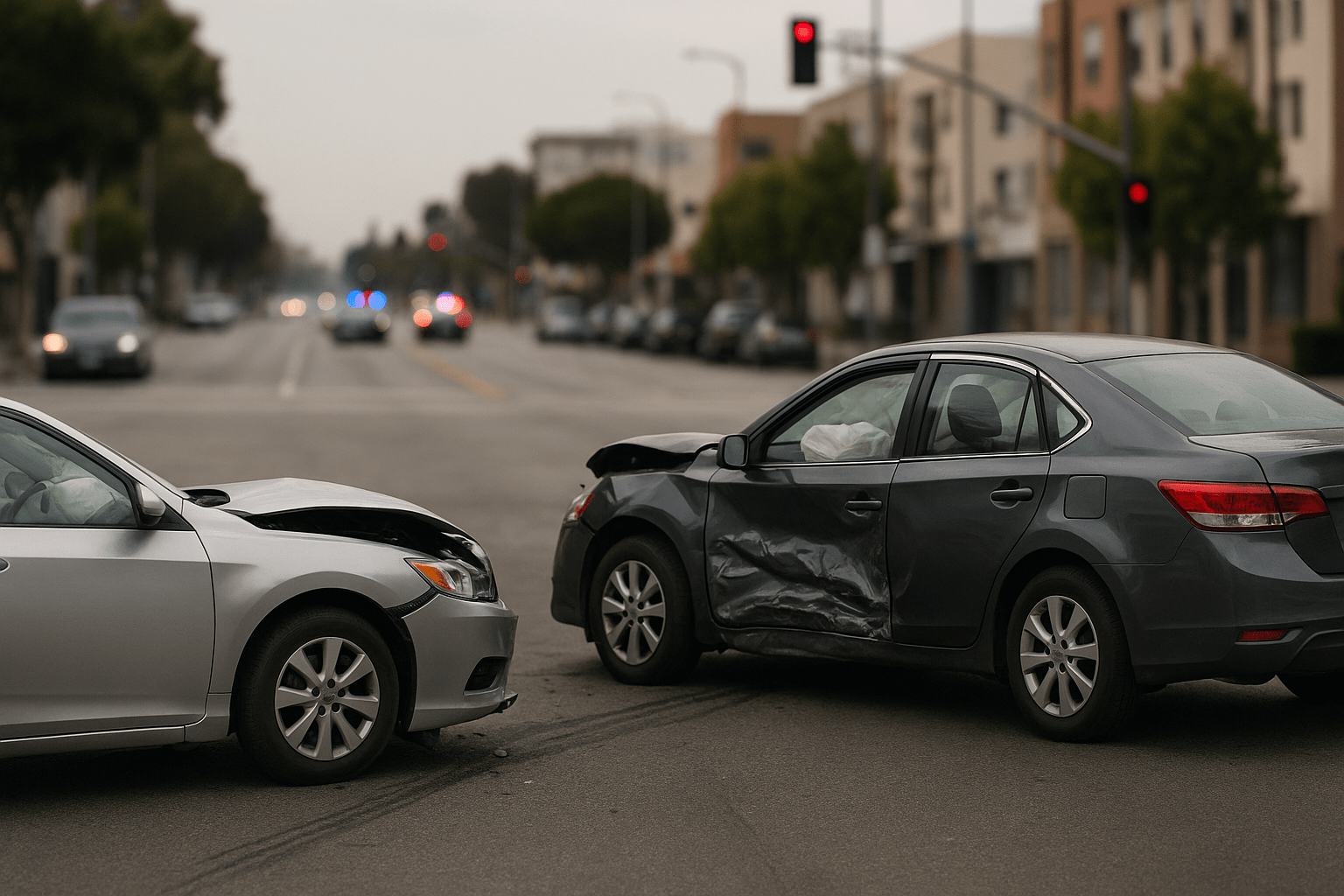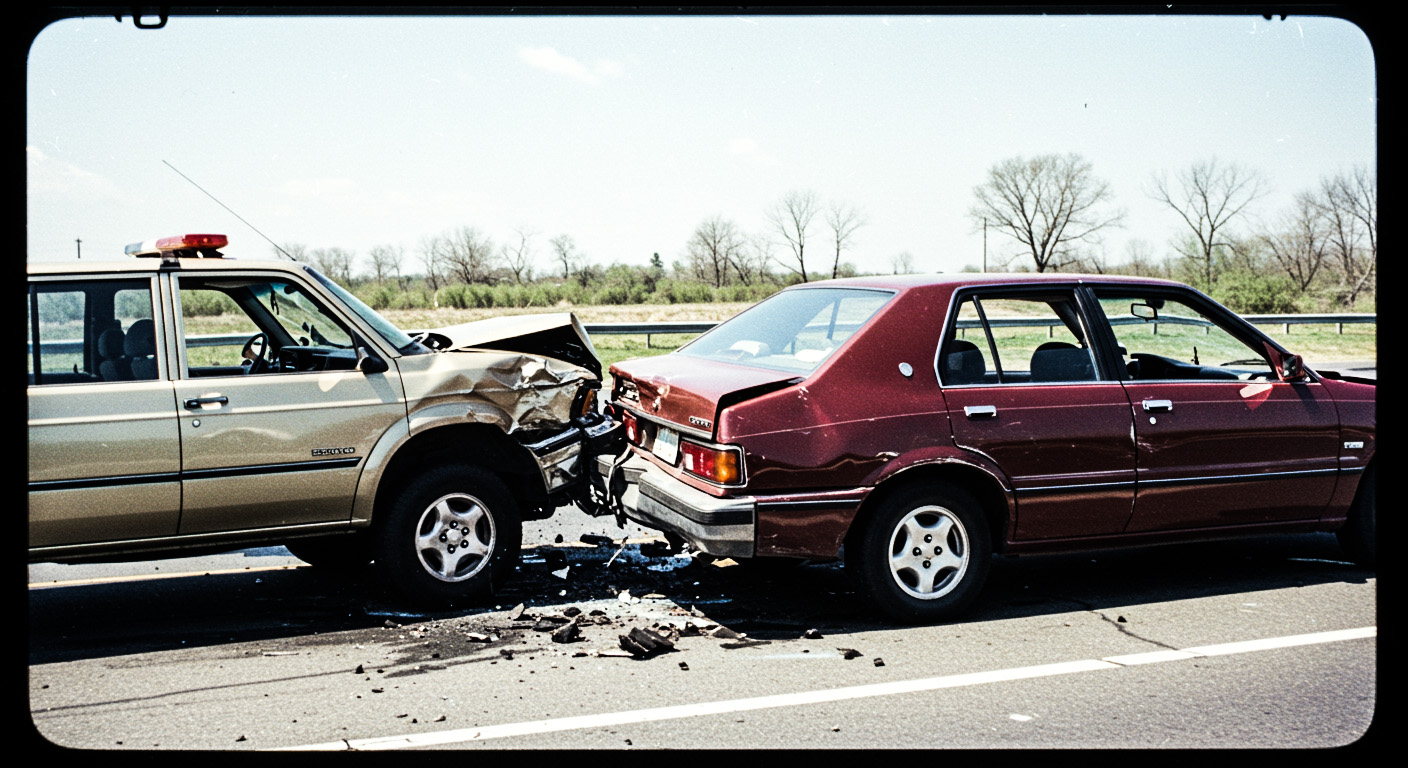


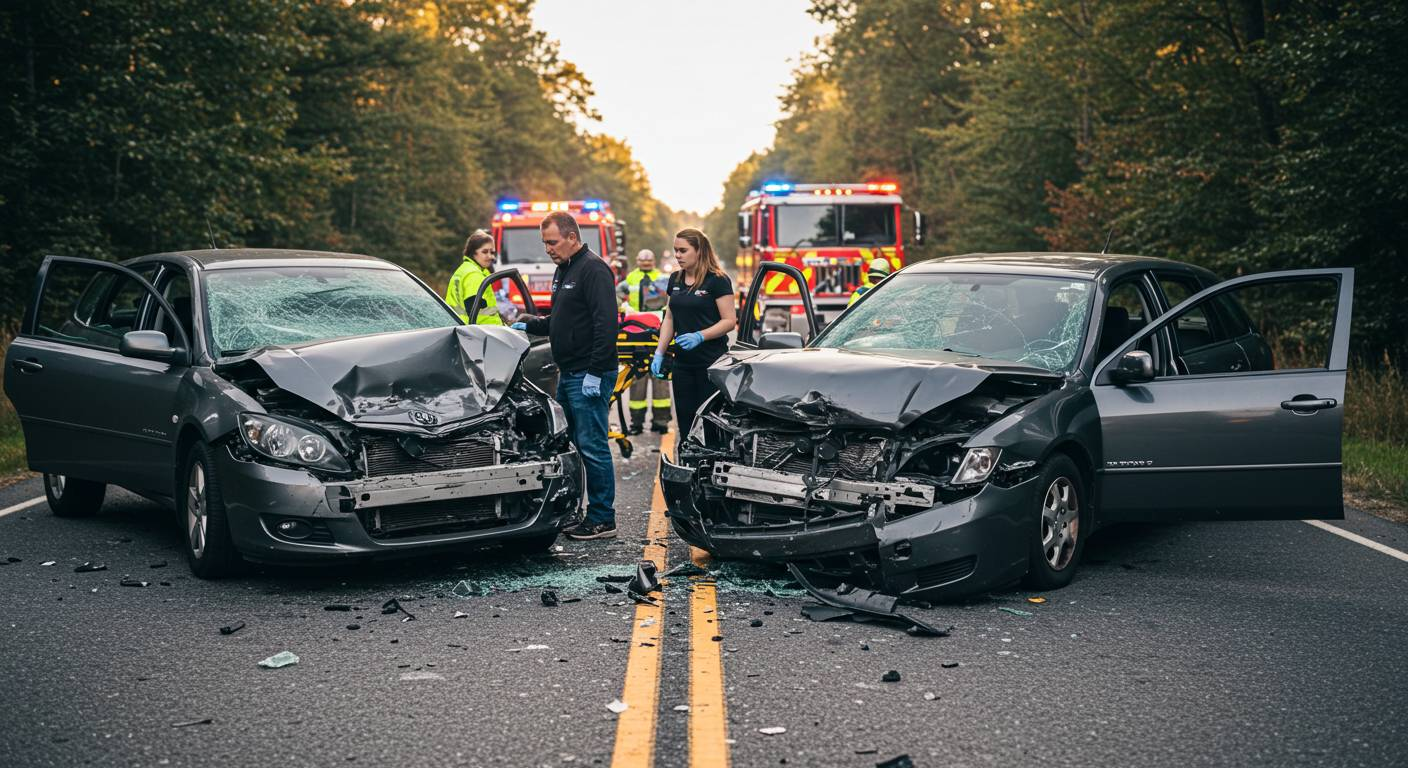
A head-on collision is an uncommon yet hazardous category of automobile accident. The immense impact resulting from two vehicles striking each other headfirst often leads to catastrophic and deadly injuries, which makes identifying responsibility in a head-on crash critically important.
If you or a family member suffered harm in a frontal collision, you may have the right to pursue financial recovery for the severe injuries and other losses you experienced. A car accident lawyer can offer the assistance and direction necessary after a head-on crash.
At Unity Law Group, our team possesses deep experience assisting individuals who have suffered injuries in frontal crashes in the State of California. Our legal practice recognizes the grave consequences of head-on collisions, and we remain committed to supporting you and your loved ones through this challenging period.
If you need a personal injury attorney, reach out to Unity Law Group at (844) 864-8939 to arrange a free case evaluation today.
What Are Head-On Collisions? Definition and Explanation
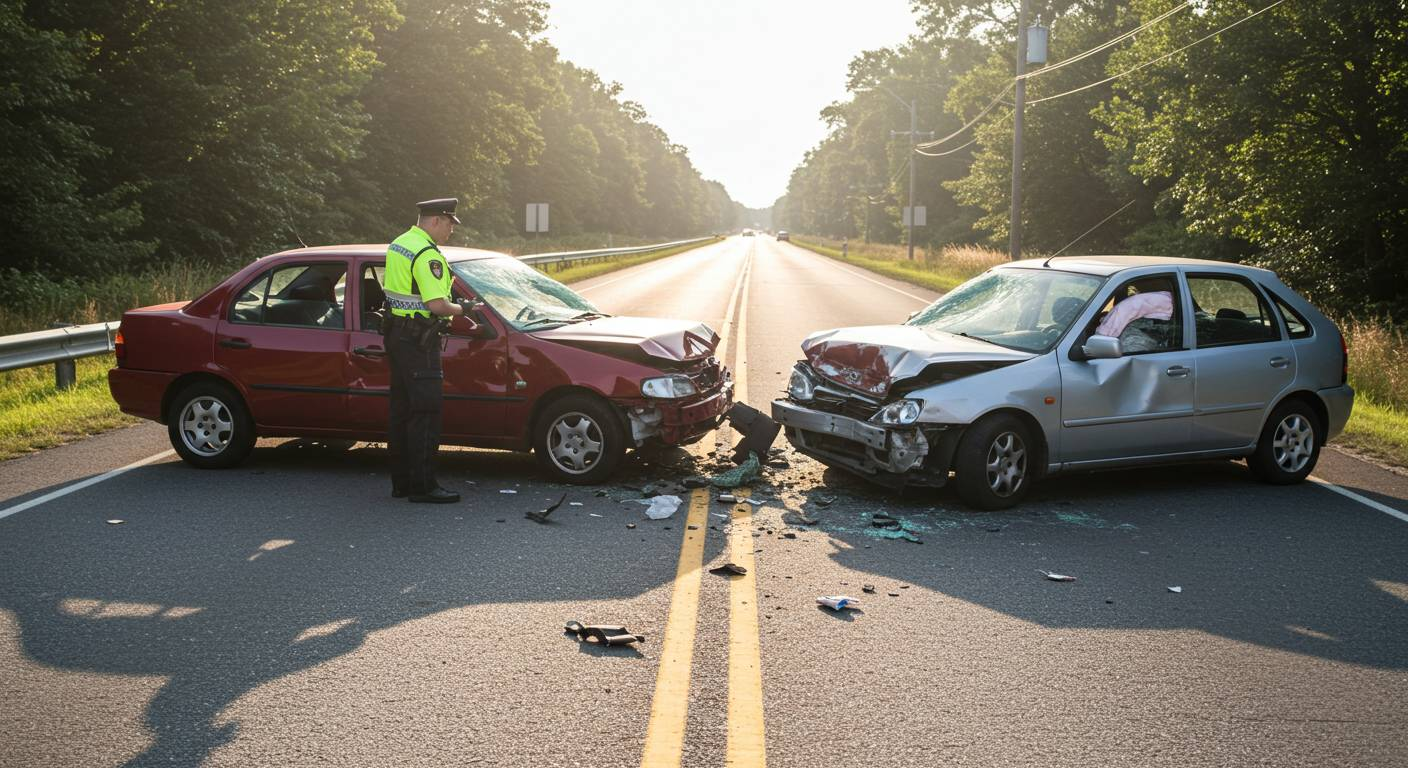
Head-on collisions occur when two cars traveling in opposite directions collide with one another. If both vehicles involved show damage on their front ends, they probably were involved in a head-on crash.
Head-on collisions may involve a car, motorcycle, or large vehicle, such as a truck. A frontal impact typically takes place when a motorist crosses the centerline and enters opposing traffic lanes before ramming an oncoming vehicle. It can also occur if a driver travels the wrong way on the road. Although frontal crashes are among the least common forms of automobile accidents, the immense energy involved makes them the most lethal for vehicle occupants.
The Most Common Causes of Head-On Collisions

Several factors can lead to a head-on car collision. In most cases, these incidents stem from a motorist failing to exercise proper caution or obey traffic laws while driving. The leading causes of frontal crashes include:
- Distracted driving
- Dozing off while driving and veering into opposing lanes of traffic
- Drifting over the roadway divider
- Driving on the wrong side of the road
- Entering a one-way street in the wrong direction
- Exceeding the speed limit
- Impaired driving
- Neglecting to notice, interpret, or obey traffic signs that indicate direction
- Operating a vehicle amid hazardous weather conditions
- Overtaking another vehicle on a two-way roadway by driving in the oncoming traffic lane
The Most Common Injuries Suffered From Head-On Accidents
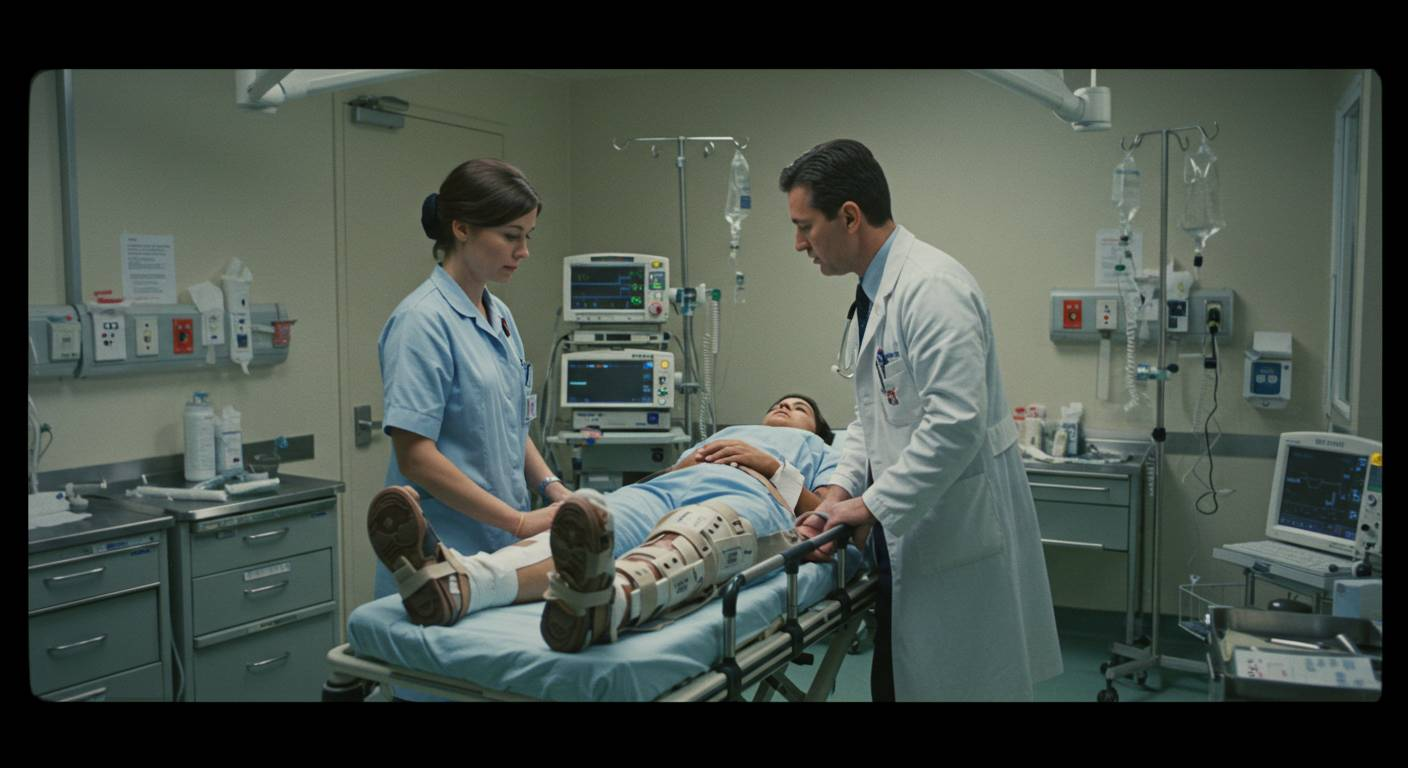
The impact of a frontal collision often leads to serious harm and wrongful death. The most frequent types of injuries suffered in head-on car crashes include:
- Breaks in the pelvic region
- Damage to the spinal cord
- Discomfort in the neck and spine
- Fractures of the chest and ribcage
- Head injuries, including concussions and brain trauma
- Injuries and breaks to the feet, ankles, and lower limbs
- Internal abdominal trauma
- Loss of movement or paralysis
- Whiplash
Traumatic Brain Injuries
The abrupt force when vehicles collide head-on can cause the brain to strike the interior of the skull, resulting in concussions, bruising, or more serious forms of traumatic brain damage.
The bodily, monetary, and psychological effects of a severe traumatic brain injury (TBI) are immense and hard to fully convey. In many cases, the emotional toll may prove even more challenging to recover from than the physical harm.
Traumatic brain injuries frequently occur following a frontal crash. It is also the primary contributor to long-term impairment in individuals under the age of 45. TBI results from a sudden impact or forceful movement affecting the head.
An item hitting the head can lead to contusions, hemorrhaging, and tissue damage within the brain. In certain cases, the skull may crack.
A traumatic brain injury might necessitate treatment in an emergency department or admission to an intensive care unit (ICU). Intracranial bleeding or inflammation could call for urgent surgical intervention.
For some individuals with TBI, healing may take several years. In some instances, the brain damage proves irreversible.
Whiplash
The swift, jerking movement of the head and neck during an impact can result in a soft tissue injury, which may cause long-term discomfort and mobility challenges.
Cervical injuries like whiplash prove intensely painful and highly unpredictable. These types of trauma can result in persistent discomfort and long-term impairment.
During a frontal crash, the head and neck thrust forward while the torso remains stationary. This motion is referred to as whiplash. It can strain and rupture the tendons and muscles in the cervical and thoracic spinal regions.
Some of the most frequently reported symptoms linked to whiplash include:
- Discomfort in the shoulders, neck, and spine
- Distorted or unclear vision
- Head pain
- Lightheadedness
- Reduced strength
- Tingling or loss of sensation
Symptoms may persist for several months, years, or even become lifelong.
Following a frontal crash, seek medical attention. You might not feel severely hurt or detect any immediate issues immediately after the crash happened. However, you could have suffered harm without realizing it. Only a healthcare professional can accurately determine the extent of the damage through an examination. Receiving a medical assessment promptly after the incident can also help establish fault later on.
Spinal Cord Injuries
The impact of a head-on crash can result in the spine compressing, breaking, or misaligning, which may lead to either partial or total loss of movement.
Bone Fractures
The force of head-on collisions can lead to broken bones in the limbs, ribcage, and various other areas of the body.
In frontal crashes, passengers strike the dashboard and knee bolsters of the vehicle, resulting in significant leg injuries. This phenomenon can occur even when individuals wear their seatbelts. These types of injuries often cause severe pain and take a long time to recover. If they do not mend properly, they may result in lasting impairments.
Internal Injuries
The sudden deceleration and intensity of the collision can cause internal organs to move, tear, or burst, resulting in potentially fatal internal hemorrhaging.
Psychological Injuries
Certain frontal collisions result in mental or emotional harm. A well-known example is post-traumatic stress disorder (PTSD). Individuals suffering from PTSD may struggle to regain psychological stability after enduring a horrifying incident.
Signs of post-traumatic stress disorder following a frontal vehicle crash may involve:
- Agitation or short temper
- Deliberately avoiding reminders of the collision
- Diminished or lack of emotional responses
- Heightened startle response
- Hesitation or refusal to operate a vehicle again
- Interrupted or poor-quality sleep
- Re-experiencing the event through flashbacks
- Sense of isolation or disconnection from others
- Unwanted memories related to the incident
- Upsetting nightmares involving the crash
Addressing PTSD may involve consulting with a therapist, clinical psychologist, or another behavioral health specialist. Healing from PTSD after a motor vehicle crash may take several weeks or months, depending on the individual. Without proper treatment, PTSD symptoms resulting from a head-on accident can persist for years.
Lacerations and Contusions
Shattered glass, unsecured items, and impact with the car’s interior surfaces can result in lacerations, abrasions, and contusions.
What to Do After Head-On Collisions in 7 Steps
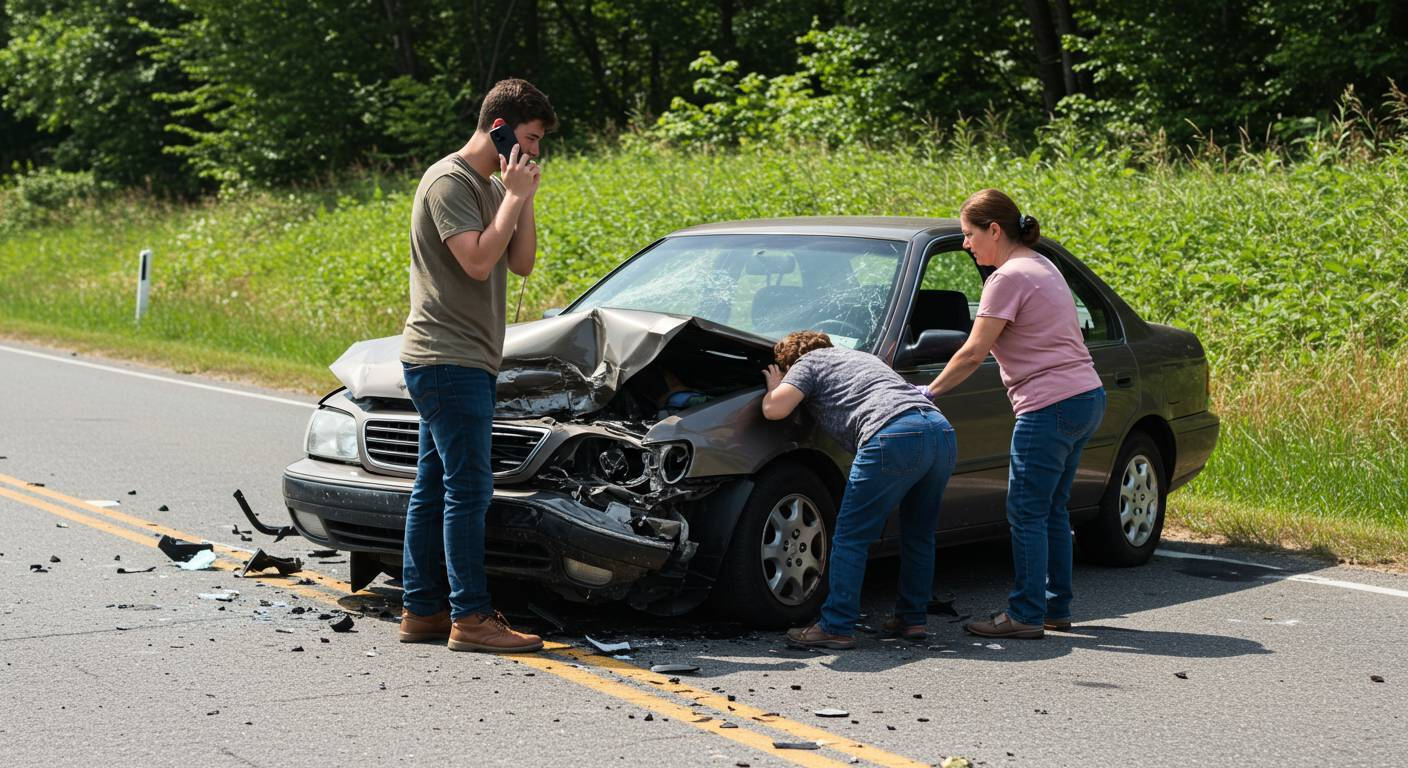
The initial moments following a frontal crash can be chaotic and disorienting. Taking appropriate actions can protect your well-being and preserve your legal entitlements. Here are the steps you should follow.
Step 1: Stay at the Scene
You must always stay at the location of a vehicle collision. Leaving the area could be interpreted as fleeing the scene.
Step 2: Call Emergency Services
Right after a frontal crash, assess yourself and your passengers for any injuries. If someone appears critically hurt, dial 911 to request urgent medical assistance. If conditions permit, relocate your vehicle to the roadside to prevent additional accidents. Activate your emergency flashers and place warning triangles or flares, if accessible.
Step 3: Collect Evidence
After confirming your own safety and that of others involved, record the details of the crash site. Capture photographic proof such as:
- Apparent wounds
- Automobile damage
- Surface conditions of the roadway
- Tire skid traces
- Traffic lane and intersection indicators
Collect the contact details and insurance information of all other parties involved in the event. If bystanders observed the crash, also request their contact information.
Gathering sufficient proof reinforces your claim should you decide to pursue legal action in the future.
Step 4: Write Down What Happened
Once you’re in stable condition, record everything you can recall about the crash. You may also create an audio or video log of your recollections. Include as many specifics as possible. Make a note of the following:
- Any uncertainty or misunderstanding regarding road layout, signage, or other elements
- Classification of the roadway (e.g., two-lane or four-lane)
- Time of day
- Traffic lane you occupied
- Traffic signs or signals you recall observing
- Weather conditions at the moment
- What occurred inside your vehicle
- Your speed at the time
Create a detailed account of the incident as soon as you can. The more time that passes, the less dependable your recollections become.
Step 5: Notify Your Work and Arrange Childcare
If you sustained serious injuries from your crash, you may require an extended period to heal. If you find yourself unable to maintain employment or look after your children, arrange childcare or ask a relative to handle it on your behalf.
Reach out to your workplace and inform them about the collision and your recovery process. Consult with a personal injury lawyer to assist you in managing the consequences of the crash. An attorney can guide you on how to handle your employment circumstances.
Step 6: File an Insurance Claim
Submit an insurance claim related to the incident. The at-fault individual will use their insurer to provide complete reimbursement to those harmed. If another motorist caused your crash, their insurance provider remains responsible for covering the costs.
However, determining liability and securing payment from the insurance provider does not represent an easy task. To obtain the financial recovery necessary to cover your medical bills and additional costs, you will need the assistance of a personal injury attorney.
Step 7: Hire a Car Accident Attorney
Reaching out to a skilled head-on collision lawyer in California will protect your legal interests as you seek just compensation for your harm and economic losses. Even without filing a lawsuit, studies indicate that insurers regularly offer higher settlements to motorists represented by legal counsel.
Unity Law Group, our committed legal team possesses vast expertise in managing personal injury cases, including head-on crash claims, and can assist you throughout the legal proceedings. We provide no-cost case evaluations to review your situation and explain your available options, allowing you to make the best decision for you and your loved ones.
How to Determine Fault in Head-On Crash
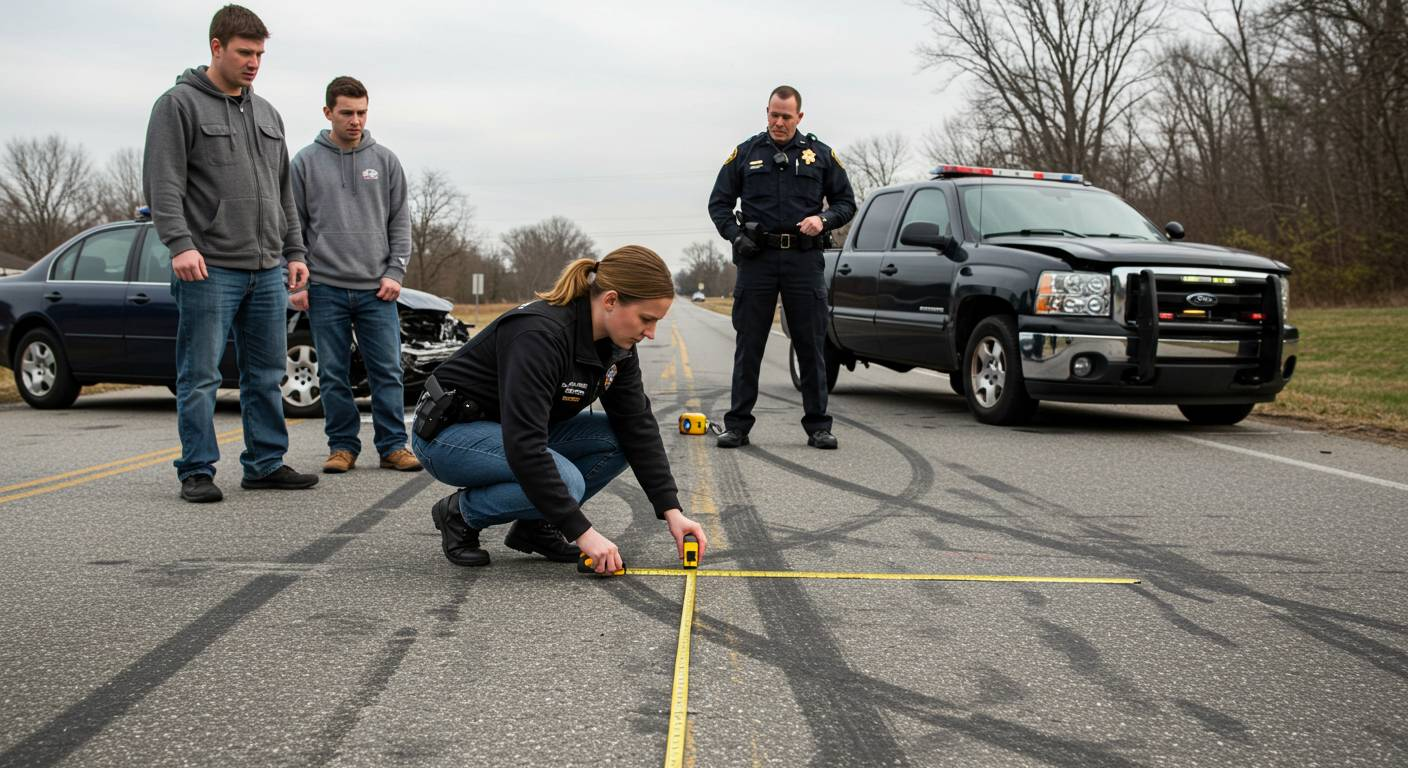
The motorists who drive in the wrong direction typically bear responsibility for head-on collisions. For instance, a distracted driver may begin drifting across the center divider and end up in the path of approaching vehicles. Another scenario involves a driver unfamiliar with the area who fails to notice that a street is one-way. That driver then proceeds in the wrong direction and crashes head-on into traffic.
Sometimes, a crash involving vehicles moving in the same direction can occasionally force one or more into the path of approaching traffic. In such instances, responsibility for the head-on collision would fall on the motorist who caused the other to enter the opposite lane.
In other cases, a head-on crash does not result from any driver’s error. Examples include a motorist experiencing a sudden health crisis, a vehicle suffering a tire blowout, a car with a steering malfunction, a poorly maintained road, or the removal of a traffic sign that guides vehicle flow.
How to Prove Negligence in Head-On Collisions
If you suffer a frontal collision, you will need to demonstrate carelessness or irresponsibility by the other driver in order to receive compensation. To establish negligence, you must prove:
- The other motorist’s duty of care
- A violation of that duty
- A causal connection to the crash
- Resulting harm
In general, all drivers must exercise reasonable care to prevent foreseeable harm. A court will usually see the decision to operate a vehicle while intoxicated or severely drowsy as a failure to uphold that duty because it increases the likelihood of errors, such as driving in the wrong direction or drifting into opposing traffic.
What Is Contributory Negligence?
What happens if it seems like both you and the other motorist share responsibility for the accident? In such a scenario, each of you may file personal injury claims against one another to determine who bears greater fault for the crash.
In some cases, your insurance providers or legal representatives may reach a negotiated agreement. If the matter proceeds to trial, a jury will divide the blame between you and the other party.
Your ability to receive compensation despite being partially at fault depends on whether your state adheres to the principle of comparative negligence or contributory negligence. In states that follow contributory negligence, you cannot recover any damages if you bear even a small portion of the fault for the head-on collision. California follows a pure comparative negligence rule.
Compensation for Head-On Collisions

California operates under an at-fault insurance system, and each motorist must maintain coverage for at least $15,000 for injuries or death to one person. $30,000 for injuries or death to multiple people in one accident. $5,000 for property damage. However, the extent of injuries and property damage often surpasses the limits of minimum coverage, requiring you to pursue a claim against the liable driver’s insurance provider.
An auto accident attorney from Unity Law Group can assist you in preparing a personal injury claim to recover compensation for:
- Past, current, and anticipated healthcare expenses
- Lost wages and diminished ability to earn
- Vehicle or personal property damage
- Physical and emotional distress
- Fatalities caused by negligence
Schedule a Free Consultation with Unity Law Group

If you or someone you care about was involved in a frontal crash, you should retain legal representation promptly. A car accident lawyer can assist you in obtaining the maximum compensation for the harm and losses you have endured.
At Unity Law Group, our legal team possesses deep experience in handling a wide range of personal injury claims for clients throughout the State of California. Our group of auto accident attorneys will lead you through the legal process and provide the assistance you need after experiencing a head-on collision.
If you have any inquiries, contact our office immediately. Our phone lines remain open 24 hours a day, 7 days a week, ensuring you can access legal assistance whenever you need it.
Call Unity Law Group at (844) 864-8939 to schedule a free consultation today.