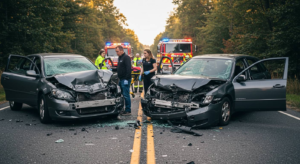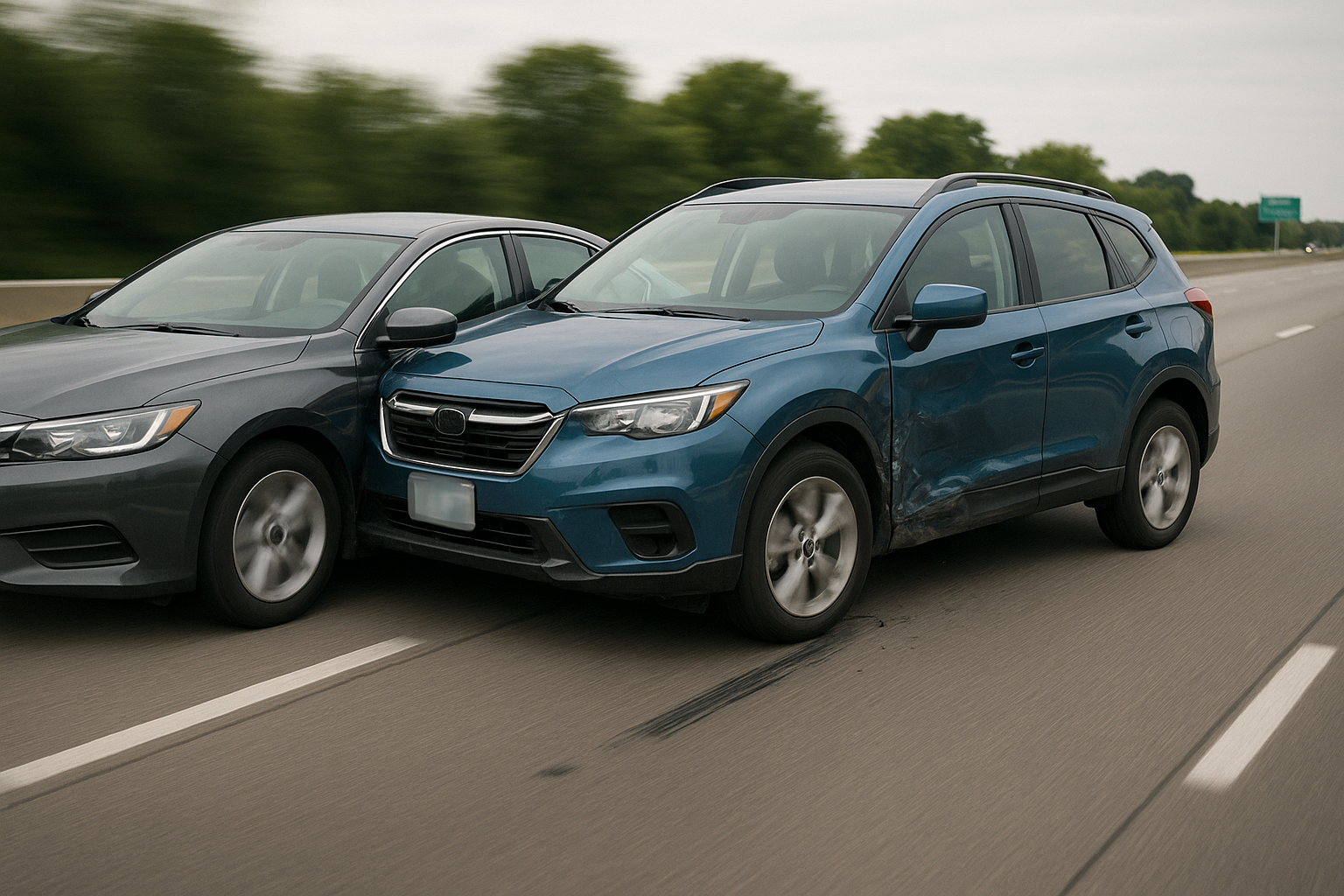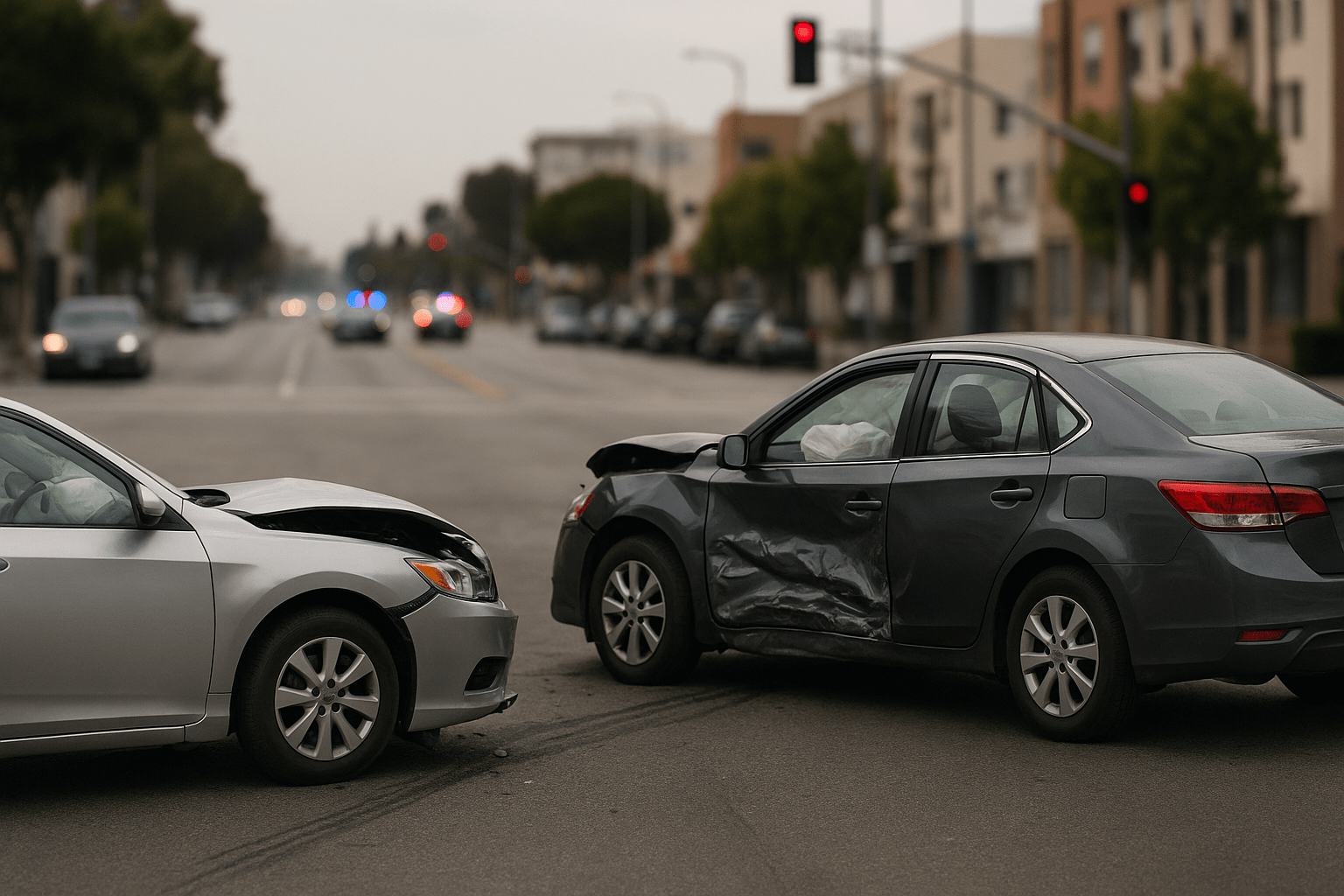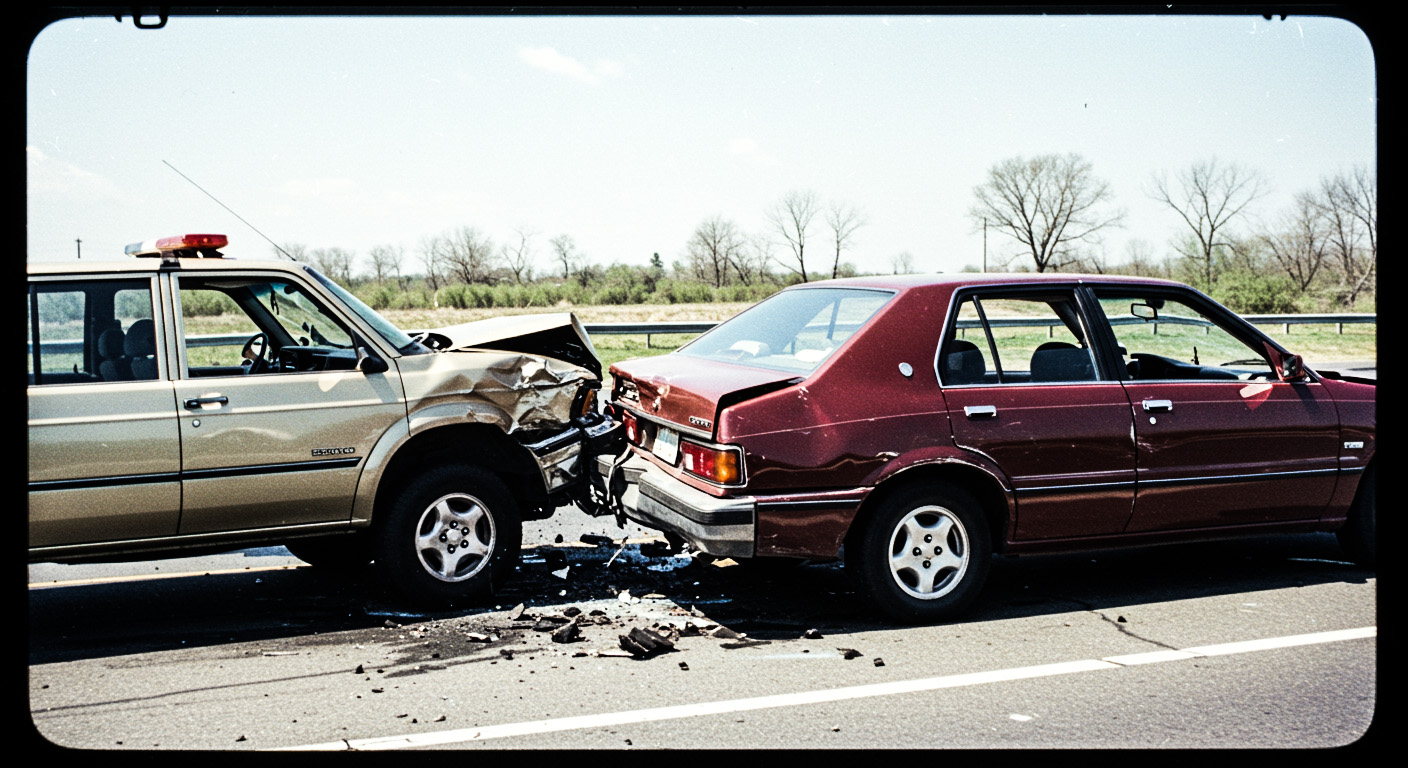


Rollover accidents make up a small portion of traffic incidents, yet they rank among the deadliest causes of fatal car wrecks. As the most fatal non-rollover crashes, head-on collisions result in a higher percentage of deaths, regardless of the type of passenger vehicles involved. A traffic crash can cause bodily harm and psychological trauma that may permanently affect your life. If you or someone close to you has experienced a rollover crash, speak with a skilled lawyer to understand your next steps.
Common Causes of Rollover Accidents
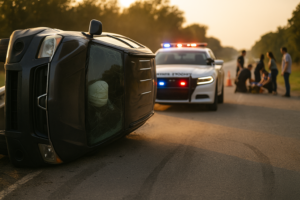
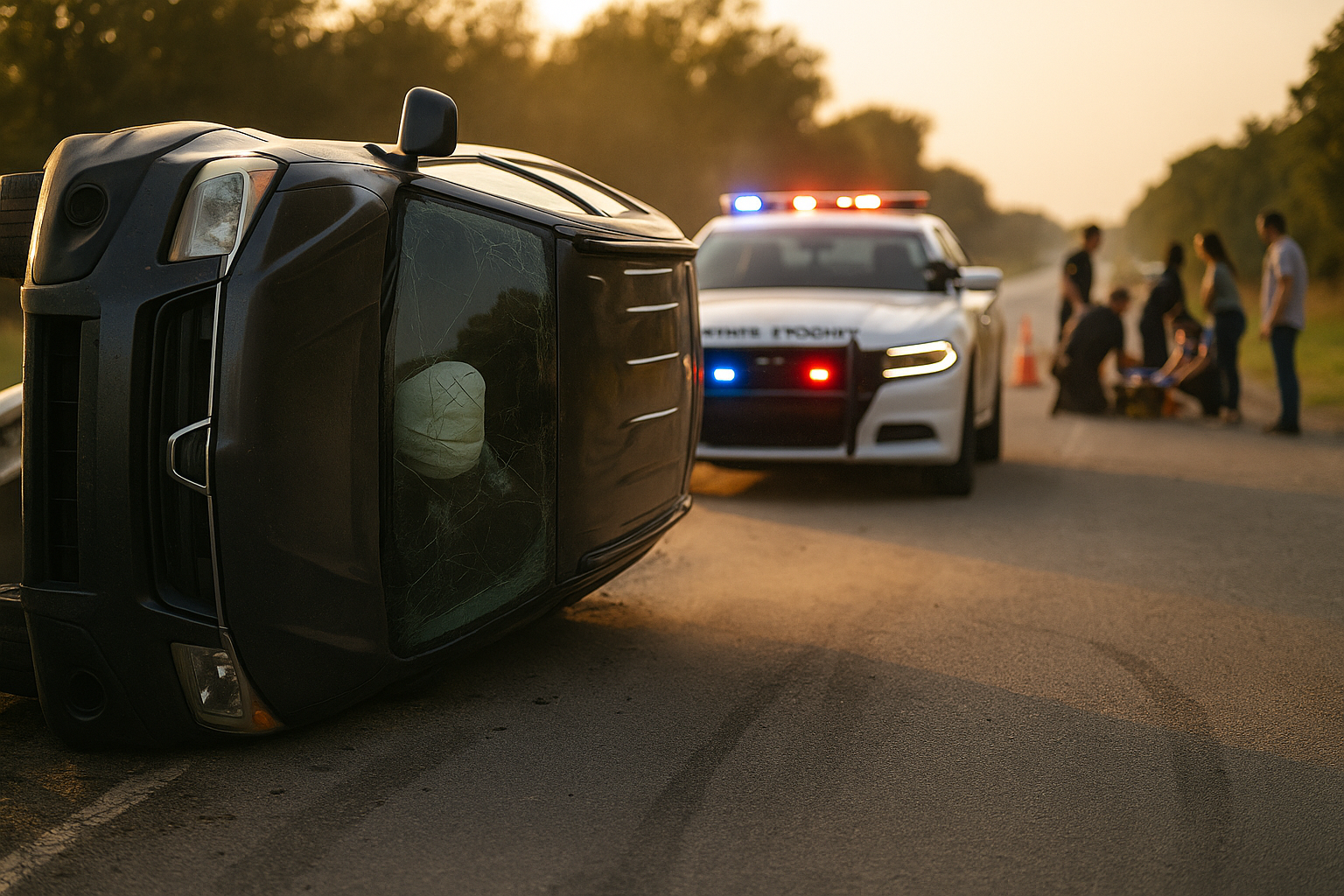
A rollover happens when a vehicle tips or flips onto its side or roof. Most rollover crashes involve a single car, often triggered by a mix of contributing factors. Single-vehicle crashes of this type usually result from the combined effects of driver behavior, road design, vehicle dynamics, failure to follow highway safety laws, and environmental factors.
While driver mistakes remain the leading cause of fatal rollover crashes, they are not the sole reason for single-vehicle rollover fatalities. Poor road surfaces and mechanical failures can also trigger single-vehicle accidents, and identifying the exact cause requires a detailed investigation. Some of the most common causes of rollover accidents include:
- Aggressive driving
- Debris and potholes
- Defective auto parts
- Distracted driving
- Driver error
- Driver fatigue
- Driving while intoxicated
- Falling down an embankment
- Icy and wet road conditions
- Improperly loaded cargo
- Lack of driving experience
- Overcorrection
- Side impact from another vehicle
- Speeding
- Tire failure
- Turning too sharply at high speed
- Unfamiliarity with the road
The many possible causes of rollover accidents often determine their type and severity.
Types of Rollover Car Accidents
Most clients do not know there are several types of rollover accidents. The two most common types of fatal rollover crashes are tripped and untripped rollovers. In some cases, other types of car accidents, such as a T-bone collision, lead to a rollover. Let’s examine every kind of rollover accident.
Tripped Rollovers
The most frequent type of tripped rollover in light passenger cars happens when the vehicle skids sideways and the tires hit a curb, sink into loose soil, or encounter an obstacle that creates a sharp surge in sideways force. The mechanics resemble those seen in cornering rollovers. Tripped rollovers cause over 70% of single-vehicle rollover crashes.
Another form of a tripped rollover occurs when a vehicle crashes into another object or a car. These rollovers occur when the impact throws the vehicle off balance. A side collision can push a car sideways, and as the tires resist the motion, the combined forces cause the car to flip.
A rollover accident can also happen when a vehicle drives over a ditch or steep incline. Slopes steeper than 18.26° represent critical slopes that cause most passenger vehicles to tip over. A rollover may occur if a wheel strikes a large obstacle or while navigating rough or uneven ground. A jackknifed trailer can also shove the towing vehicle into a rollover situation, especially if it encounters soft soil or a curb that triggers the flip.
Powerful winds often topple tall vehicles like pickup trucks, buses, and vans. Coastal highways, open plains, and uncovered bridges pose the highest risk. When passenger vehicles move out of wind-sheltered areas, sudden gusts can strike immediately, putting high-profile vehicles at greater risk of rolling over.
Untripped Rollovers
Untripped rollovers happen when turning forces throw the vehicle off balance. As a car takes a curve, three main forces influence it: the centrifugal force of the tire grip, the centripetal force of momentum, and the force of gravity. The tires generate a centrifugal force that pulls the vehicle toward the inside of the turn, acting at ground level below the center of gravity. At the same time, centripetal inertia pushes outward through the center of mass, away from the curve.
These opposing forces cause the vehicle to tilt outward. Meanwhile, the vehicle’s weight pushes downward through the center of gravity as resistance. If the centripetal inertia exceeds the combined centrifugal force of the tires and the downward pull of gravity, the vehicle begins to tip and roll.
Specific Categories of Rollover Car Accidents
Vehicle rollovers follow two main patterns. The first, called a lateral rollover, happens when the vehicle spins along its longitudinal axis, which runs parallel to the vehicle’s main body. Lateral rollovers are the most frequent type, accounting for roughly 97% of all rollover crashes. In contrast, a longitudinal rollover involves the vehicle flipping end over end around its lateral axis. Here are some rollover crash types based on triggering events:
- Bounce-over — The vehicle strikes a stationary object like a building, bounces back, and then overturns
- Climb-over — The vehicle mounts and passes over an object like another car, barrier, or rail, lifting its wheels completely off the ground
- End-over-end — After crashing into a solid object, such as a low concrete wall, the vehicle flips forward over its lateral axis.
- Fall-over — The vehicle travels on a sloped surface that angles downward enough for the center of gravity to shift beyond the wheelbase, causing a rollover.
- Flip-over — A ramp-like object, such as a bent-down guardrail, causes the vehicle to rotate along its longitudinal axis
- Turn-over — Sharp cornering or rapid rotation generates centripetal force, and the surface grip resists it, causing the vehicle to tip
- Vehicle collision — A crash with another vehicle initiates the rollover
In some cases, the triggering event that leads to the rollover will determine the types of injuries that the vehicle occupants sustain.
Common Injuries Sustained in Rollover Car Accidents
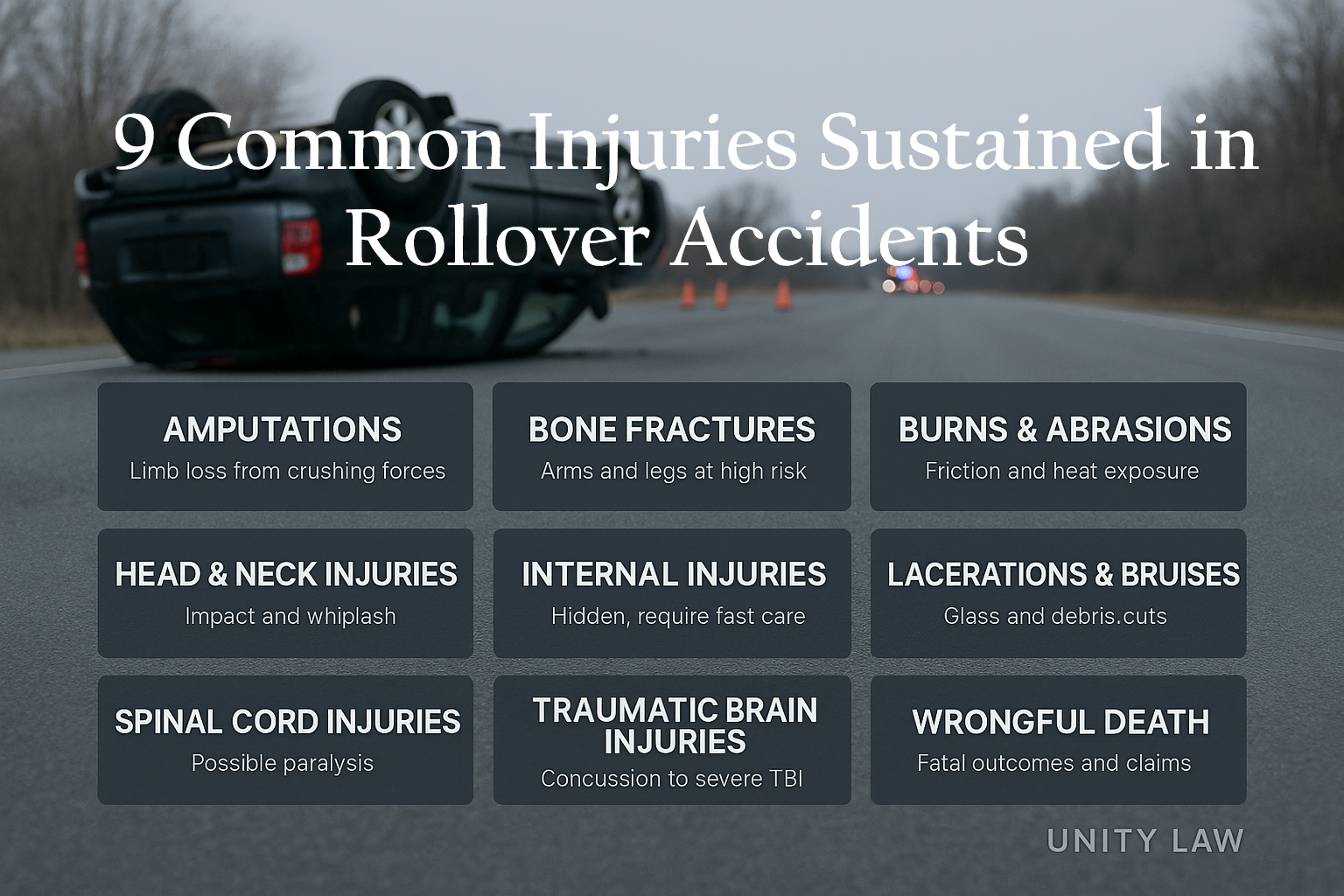
What happens to your body in a rollover accident? When a car rollover happens, passengers experience powerful forces and get violently tossed around inside the vehicle as it overturns. The intense pressure during the rollover can fracture bones, damage the spinal cord, and even throw occupants out of the car. Let’s take a closer look at the most common types of rollover car accident injuries.
Amputations
Rollover car accidents often result in severe trauma due to the violent motion and crushing forces involved. Limbs can become trapped between the vehicle and the ground, leading to extensive damage. In some cases, the force severs limbs instantly. More commonly, severe tissue damage, blood loss, or infection requires surgical amputation.
Bone Fractures
Rollover crashes generate enough force to easily fracture bones. Arms and legs face the highest risk of fractures since they often slam against the vehicle’s interior during the rollover. These broken bones may need surgical repair and can leave lasting scars and permanent mobility issues.
Burns and Abrasions
Rollover car accidents often cause burns and abrasions due to intense friction and contact with hot surfaces and leaking fluids. As the vehicle rolls, occupants may be dragged along the road or thrown against rough interior surfaces, resulting in painful abrasions. Fuel leaks and electrical malfunctions can ignite fires, causing serious burns. Even with seatbelts, prolonged contact with heated metal or exposure to flames can lead to significant burn injuries that require extensive medical treatment.
Head and Neck Injuries
Rollover crashes often result in severe head injuries and neck trauma. As the vehicle flips violently and unpredictably, passengers may strike their heads against the roof, windows, or steering wheel. This impact can cause concussions, whiplash, and other damage due to the intense jerking and whipping motion of the head.
Internal Injuries
Hidden rollover accident injuries, like internal damage, might not show symptoms right away but can become deadly without a quick diagnosis and treatment. These injuries are serious, so vehicle occupants must get medical help right after a rollover motor vehicle accident, even if they don’t feel hurt. Ignoring internal trauma can lead to critical complications if not addressed promptly.
Lacerations and Bruises
Rollover car accidents often cause lacerations and bruises due to impact with hard, sharp surfaces. Broken glass, twisted metal, and other debris can cause deep cuts, while forceful collisions with the interior of the vehicle or other passengers can result in bruising. Seatbelts and airbags reduce the severity of contusions, but can still leave marks and minor bruising. As the vehicle rolls, repeated impacts increase the risk of multiple injuries, making lacerations and bruises common injuries in such crashes.
Spinal Cord Injuries
Spinal cord trauma represents one of the most devastating results of a rolled car. Rollover accidents subject the spine to extreme pressure and abnormal motion, causing damage that ranges from vertebral fractures to full paralysis. Such rollover crash injuries often bring lasting pain and require lifelong recovery efforts. With dedicated, intensive, and ongoing therapy, individuals with spinal damage may regain some independence and improve their quality of life.
Traumatic Brain Injuries
Rollover accidents can lead to traumatic brain injuries (TBIs) due to sudden, violent movements and direct blows to the head. As the vehicle flips, occupants may strike their heads on windows, the roof, or other hard surfaces. Even with airbags and seatbelts, the brain can collide with the inside of the skull from rapid deceleration, causing concussions, contusions, and more severe TBIs. These catastrophic injuries can result in lasting cognitive, emotional, and physical impairments, making TBIs some of the most serious rollover injuries.
Wrongful Death
Rollover car accidents can result in wrongful death due to traumatic brain damage, internal bleeding, and spinal cord trauma. In some cases, defective vehicle design, poor road conditions, or another driver’s negligence may contribute to a wrongful death. When a car rolling over leads to loss of life, the courts may consider it a wrongful death, allowing surviving family members to seek justice and compensation for their profound emotional and financial losses.
Risk Factors for Rollover Crashes
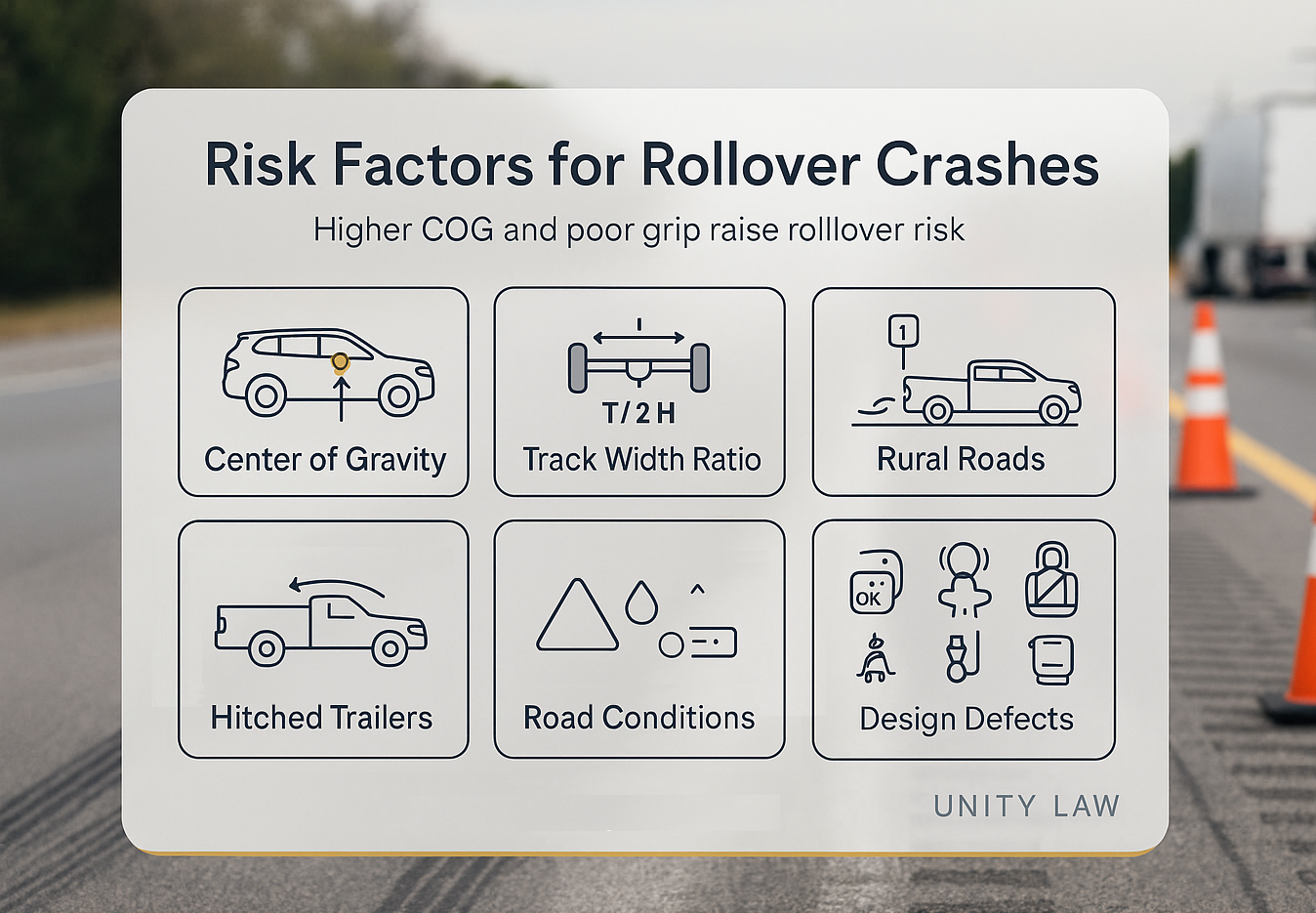
Any vehicle can overturn, but those with a high center of gravity, like SUVs, pickup trucks, and semi-trucks, face a greater risk.
Under certain conditions, any car can flip during a serious crash. However, semi-trucks and SUVs are more prone to rollovers because:
- They sit higher off the ground, raising the center of gravity
- The gap between their left and right wheels is narrower relative to their height
- They are frequently driven on rural roads where rollovers happen more often
Center of Gravity
The vehicle’s center of gravity plays a crucial role in rollover crashes. These accidents largely depend on how the center of gravity aligns with the tires and the amount of grip the wheels maintain on the road. Larger vehicles, such as SUVs and trucks, typically sit higher off the ground, which raises their center of gravity and makes them more likely to flip compared to smaller cars.
Hitched Trailers
Vehicles hauling heavy trailers face a higher risk of overturning in a crash. The extra momentum from the trailer increases the chance of tipping during sudden sharp turns. If the trailer loses grip, it can skid sideways and pull the towing vehicle along the roadway.
Road Conditions
Different road factors, like slope, oil slicks, and physical obstacles, can raise the likelihood of a rollover crash happening.
Vehicle Design
Some vehicle rollovers result from mechanical failure or design defects, often linked to negligence by the owner, a technician, or the automaker. If poor design is to blame, manufacturers can be held legally responsible.
Examples of vehicle design flaws include:
- Door lock failure
- Electronic stability control malfunction
- Flawed airbags
- Headrest failure
- Seatbelt failure
- Sunroof flaws
- Unsafe gas tank
Vehicle Maintenance
Avoiding rollover crashes begins with keeping your vehicle in top condition. Regularly inspecting and maintaining your tires, especially the air pressure, prevents loss of stability that could cause a rollover. Verifying that your car meets at least the minimum Electronic Stability Control (ESC) standards also reduces rollover risks. Even if you drive an older model, consistent upkeep and modern safety upgrades are essential measures to lower the chance of a rollover incident.
Roll-Over Car Accident Prevention Tips
The alarming data on rollover car accidents underscores just how brutal these incidents can be. Although they account for only around 2% of all accidents, rollovers cause 33% of passenger deaths. Despite modern vehicle designs aimed at reducing rollover risk, they still occur due to unevenly loaded cargo, poor tire grip, and specific types of impacts that trigger the flip.
Since most rollovers involve only one vehicle, we often have the power to stop them from occurring. These safety tips can protect you and your loved ones:
- Avoid speeding
- Drive carefully on country roads
- Follow current vehicle safety standards
- Inspect your tires regularly
- Stay calm, steer smoothly, and do not overreact
- Stick to weight limits and store the heaviest items in a low, forward position
Taking steps to avoid a rollover can save a life. Some collisions are beyond our control, but when you can reduce the risk, you should.
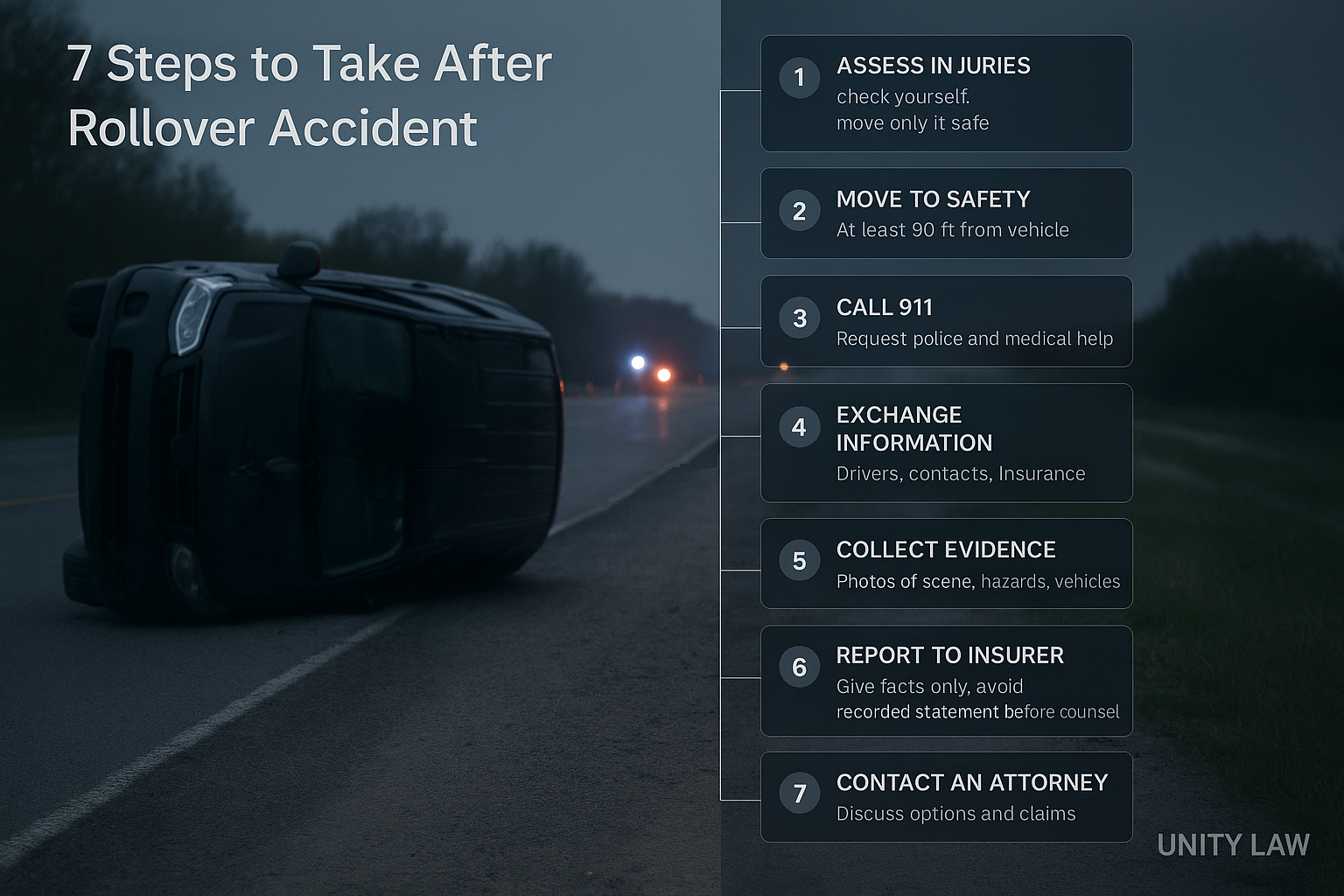
What to Do After Rollover Car Accidents in 7 Steps
If you or someone close to you has suffered a rollover crash, it is natural to feel frightened. Knowing the first steps to take right after the incident is crucial. Adhere to the following seven steps after a rollover accident.
Step 1: Assess Any Injuries
Right after a rollover crash, check yourself for injuries and decide if it is safe to move. Limit your movements, apply basic first aid if possible, and wait for medical responders to arrive.
Step 2: Move to a Safe Place
Rollover accidents carry the danger of fire or explosion. If you are able, get out of the vehicle and move at least 90 feet away to stay safe.
Step 3: Call 911
Emergency responders can dispatch police to handle the crash scene and send medical personnel to evaluate your injuries. They also supply the essential reports and paperwork related to your accident.
Step 4: Exchange Driver Information
Collecting contact and insurance details from all parties involved will help when filing your insurance claims. While the officer at the scene might share this information, make sure you gather it personally in case they refuse.
Step 5: Collect Evidence
If it is safe to do so, gather your own evidence. Snap photos of the crash site, road hazards, weather conditions, and all vehicles involved. These images will assist your lawyer in strengthening your claim. You do not need to collect witness statements at the scene, but securing their contact details allows your attorney to follow up later.
Step 6: Contact Your Insurance Company to Report the Incident
Reporting the crash to your insurance company represents one of the most challenging steps. Even though they provide your coverage, they do not always act in your best interest. Claims adjusters often use your statements to minimize payouts and lower the value of your compensation.
Stick to the facts when describing the crash, and speak with an experienced car accident lawyer before signing documents or providing a formal statement.
Step 7: Retain Legal Services From an Experienced Attorney
A skilled personal injury lawyer can explain your legal options after a rollover crash. These accidents often leave victims with serious injuries, emotional trauma, and long-term recoveries. In some cases, the damage may be permanent, making it impossible to return to work. An experienced legal team can support you and your family starting from the first few days after the incident all the way through the process of filing a claim and pursuing compensation.
Contact the Personal Injury Attorneys at Unity Law Group
If you or a loved one has suffered injuries from a rollover car accident, how much financial compensation do you need to cover your expenses and pain and suffering? How would an eight-figure settlement or jury award change your outlook on life? To have an experienced attorney analyze your case, fill out our online form or call Unity Law Group at (844) 864-8939 today.
FAQ
What is a rollover in a car accident?
A rollover in a car accident is when a vehicle flips onto its side or roof during a collision. Based on the impact’s intensity, the car might roll once or spin several times before halting. These crashes can involve multiple vehicles, but they occur most frequently in single-car incidents and often cause severe injuries.
What happens during a rollover?
During a rollover, a vehicle overturns onto its side or roof. These incidents typically happen when a driver loses control, makes a sharp turn, or strikes an object, such as a guardrail or curb. Rollover accidents pose a serious threat because they often lead to severe injuries or death.
Why do 78% of rollover car accidents happen?
Over 78% of truck rollover accidents happen due to driver error, according to the Federal Motor Carrier Safety Administration (FMCSA). The data shows that truck operators can avoid rollover collisions through alert, cautious driving.
What is the survival rate of a rollover accident?
The survival rate of a rollover accident is 61.2%. Wearing a seat belt remains the most effective way to stay safe during a rollover crash. According to the NHTSA, 75% of individuals thrown from a vehicle in a rollover do not survive. Buckling up significantly reduces the risk of occupant ejection and substantially improves your chances of staying alive.